
Introduction: Two Landscapes, One Extraordinary Destination
Morocco’s tourism appeal extends far beyond its imperial cities and desert dunes. Along the Atlantic Ocean and across the rugged mountain ranges, travelers discover diverse environments that offer relaxation, adventure, and cultural immersion. Coastal towns provide golden beaches and maritime heritage, while the mountains reveal dramatic scenery, traditional villages, and eco-tourism experiences.
Together, Morocco’s coastlines and highlands form a complementary travel circuit—one defined by fresh sea air, cedar forests, alpine peaks, and Amazigh traditions that have endured for centuries.

Essaouira: Atlantic Charm and Artistic Spirit
The coastal city of Essaouira is among Morocco’s most beloved seaside destinations. Known for its whitewashed medina framed by blue shutters, Essaouira combines history with a relaxed atmosphere. Its fortified ramparts, built in the 18th century, overlook crashing Atlantic waves and reflect the city’s maritime importance.
Designated a UNESCO World Heritage Site, the medina preserves a blend of Moroccan and European architectural influences. Fishing boats line the harbor, supplying restaurants that serve freshly grilled seafood daily. Beyond sightseeing, Essaouira has developed into a cultural hub, hosting music festivals that celebrate global and Gnawa traditions.
The city’s steady Atlantic winds also make it a premier destination for kitesurfing and windsurfing, attracting water sports enthusiasts from around the world.

Agadir: Modern Beach Resort Destination
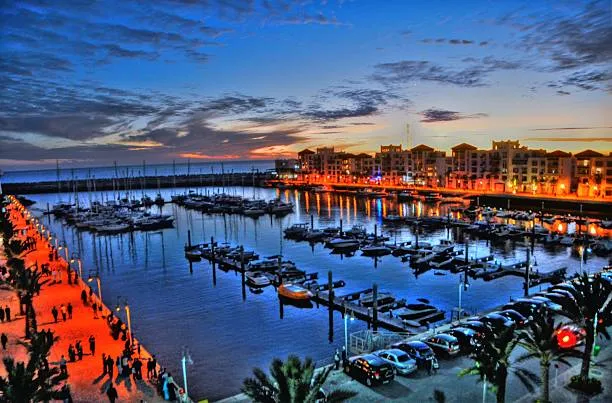
Further south lies Agadir, Morocco’s leading beach resort city. Rebuilt after a devastating earthquake in 1960, Agadir features wide boulevards, modern hotels, and a long crescent-shaped beach ideal for swimming and sunbathing.
Agadir’s mild climate allows year-round tourism, particularly popular among European visitors during winter months. The seaside promenade is lined with cafés and restaurants, creating a vibrant yet relaxed holiday atmosphere.
Beyond the beach, visitors can explore the hilltop Kasbah ruins, offering panoramic views of the coastline, or venture into nearby valleys and nature reserves.

Taghazout: Morocco’s Surfing Capital
Just north of Agadir, the small village of Taghazout has become internationally recognized for surfing. Once a quiet fishing community, Taghazout now attracts surfers seeking world-class waves and a laid-back lifestyle.
Surf schools and yoga retreats have flourished, making the village popular among digital nomads and wellness travelers. Despite development, Taghazout retains a bohemian charm, with colorful cafés overlooking the ocean.
The surrounding coastline offers scenic viewpoints and hidden beaches, perfect for travelers seeking tranquility away from crowded resorts.

The Rif Mountains and Chefchaouen
In northern Morocco, the Rif Mountains provide a cooler, greener contrast to the southern coast. Nestled within them is Chefchaouen, often called the “Blue Pearl.” Its blue-painted streets create a dreamlike setting that draws photographers and artists.
Beyond the medina, hiking trails lead into forested hills and panoramic viewpoints. The Rif region supports rural tourism initiatives, allowing visitors to experience traditional agriculture and mountain hospitality.
The combination of natural beauty and cultural authenticity makes northern Morocco a rewarding alternative to more crowded destinations.

The Atlas Mountains: Morocco’s Majestic Backbone
Stretching across the country, the Atlas Mountains form Morocco’s most dramatic natural feature. Divided into the High, Middle, and Anti-Atlas ranges, they offer year-round outdoor activities.
The High Atlas is home to Mount Toubkal, North Africa’s highest peak at 4,167 meters. Trekking routes attract climbers and adventure seekers, particularly between spring and autumn. Guided hikes introduce visitors to Amazigh villages where stone houses blend harmoniously with the landscape.
In winter, snowfall transforms parts of the High Atlas into ski destinations, including the Oukaïmeden resort near Marrakech.

Middle Atlas: Cedar Forests and Alpine Landscapes
The Middle Atlas range presents a different atmosphere, characterized by cedar forests and cool alpine towns. The city of Ifrane, often compared to a Swiss village, features European-style architecture and landscaped parks.
Nearby forests are home to Barbary macaques and scenic lakes. The region’s fresh air and mild summers make it a popular retreat for domestic tourists seeking relief from coastal heat.
Nature reserves and eco-lodges promote sustainable tourism practices that protect biodiversity while supporting local communities.

Anti-Atlas and Southern Valleys
The Anti-Atlas Mountains extend toward southern Morocco, offering dramatic rock formations and palm-filled oases. Traditional kasbahs and fortified villages dot the valleys, reflecting centuries of adaptation to arid conditions.
Hiking and cultural tours in this region emphasize slow travel and authentic engagement with rural life. Artisans produce carpets, silver jewelry, and pottery using techniques passed down through generations.

Coastal and Mountain Cuisine
Tourism in Morocco’s coastal and mountain regions also introduces visitors to distinct culinary traditions. Along the Atlantic, seafood dominates menus—grilled sardines, calamari, and fish tagines prepared with local spices.
In mountain areas, hearty dishes such as barley bread, vegetable stews, and locally sourced honey reflect agricultural heritage. Mint tea remains a universal symbol of hospitality, whether served on a windswept beach or inside a stone mountain home.

Adventure and Eco-Tourism
Morocco increasingly promotes sustainable tourism in both coastal and mountain areas. Surf camps emphasize ocean conservation, while trekking guides advocate responsible hiking practices.
Community-based tourism initiatives encourage visitors to stay in family-run guesthouses, ensuring economic benefits reach rural populations. Eco-lodges incorporate solar power and water-saving technologies to reduce environmental impact.
These efforts align with Morocco’s broader strategy to balance tourism growth with environmental preservation.
Accessibility and Infrastructure
Improved highways and regional airports have enhanced access to coastal and mountain destinations. Visitors can travel efficiently between cities such as Marrakech and Agadir or from Fes to the Middle Atlas.
Rail and bus networks connect major hubs, while organized tours provide structured itineraries for international travelers. This infrastructure development has strengthened Morocco’s competitiveness as a year-round destination.

Conclusion: A Harmonious Contrast of Sea and Summit
Coastal and mountain tourism in Morocco reveals the country’s remarkable diversity. From the artistic charm of Essaouira to the surfing energy of Taghazout, from the alpine calm of Ifrane to the towering peaks of the Atlas Mountains, each landscape offers a unique travel experience.
Together, these regions complement Morocco’s imperial cities and desert adventures, creating a destination where ocean breezes meet mountain air. Whether seeking relaxation, adrenaline, or cultural discovery, travelers find that Morocco’s coastlines and highlands provide an inspiring balance of nature, tradition, and modern comfort.